
BUDGET RESOURCES
Get involved in the Budget
-
Speak to Budget Committee on January 20 and 21 in person or by video conference. To register as a public speaker at one of these meetings, please contact the Budget Committee Administrator at 416-392-4666 or e-mail buc@toronto.ca by Monday, January 19 at 4:30 p.m.
Send in written submissions and learn more about speaking to Budget Committee.
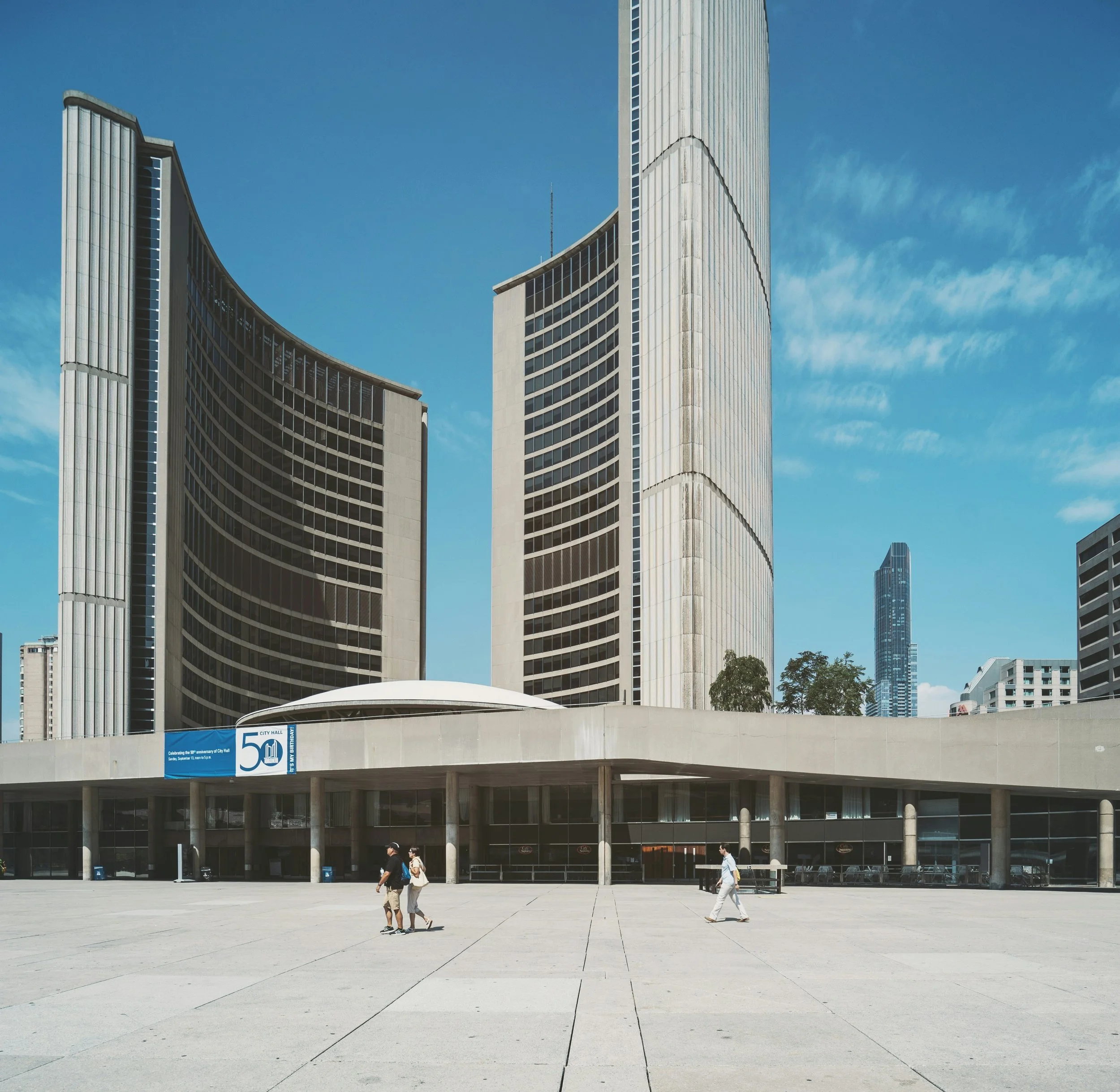
City Hall – 2nd Floor, Committee Room 1
(100 Queen St. W.)
January 20
9:30 a.m. to 12:30 p.m.
1:30 to 4:30 p.m.
6 p.m. onwardsNorth York Civic Centre – Council Chamber
(5100 Yonge St.)
January 20
9:30 a.m. to 12:30 p.m.
1:30 to 4:30 p.m.
6 p.m. onwardsScarborough Civic Centre – Council Chamber
(150 Borough Dr.)
January 21
9:30 a.m. to 12:30 p.m.
1:30 to 4:30 p.m.
6 p.m. onwardsEtobicoke Civic Centre – Council Chamber
(399 The West Mall)
January 21
9:30 a.m. to 12:30 p.m.
1:30 to 4:30 p.m.
6 p.m. onwardsAll meetings will stream live on the City Council YouTube channel .
-
You can submit your comments and feedback to Budget Committee.
Note, written submissions to the Budget Committee become part of the public record. More information is available on the Have Your Say at Committees webpage.
You can also provide your comments and feedback to Members of Council.
-
City Council and Committee meetings are streamed live and can be watched online afterwards.
For more information visit Council & Committee Meetings.
-
Relevant documents will be posted as they become available. Budget documents, including budget notes, reports and presentations will also be available on the City Council and Committees Meetings, Agendas and Minutes page.
Learn the basics
-
Operating Budget
The Operating Budget covers day-to-day spending on services such as recreation programs, parks maintenance, public health, roads, transit, and emergency services. Approximately 31 per cent of the Operating Budget comes from property taxes, the rest from provincial grants and subsidies, user fees, reserves and other income such as income from investments.
Capital Budget
The Capital Budget pays for the City’s big-ticket items that it owns and manages, such as infrastructure, transit, roads, bridges, parks and public buildings, including libraries, community centres and fire stations. The 10-year Capital Budget and Plan is updated and presented each year as part of the budget process. The Capital Budget is primarily funded from reserves, development charges, other governments and borrowing. Ontario municipalities may issue long-term debt only for capital and not operating expenses.
Rate-supported Programs
The City also has three rate-supported programs funded almost entirely by user fees: Solid Waste Management, the Toronto Parking Authority and Toronto Water. User fees, based on rate models, pay for all or some of the services and the infrastructure to deliver them. For example, water fees are based on how much water used, and households pay different fees depending on the size of garbage bins they have.
-
Balancing the Budget
The City is required by provincial law to balance its operating and capital budget each year – which means that the money spent must be equal to the money raised.
To balance the budget, the City can either increase its taxes and fees and/or change or reduce the cost or amount of services provided.
Budget Surpluses and Deficits
When the City spends less or raises more money than it thought it would during a year, it might end up with a surplus. 75 per cent of operating budget surpluses must go to the Capital Budget for infrastructure projects and 25 per cent to top-up reserves. The City has never had a deficit. In other words, the City has never spent more than its revenues.
The Difference Between Gross and Net Costs
The Gross budget is the total cost of running all city programs and services. It’s the large number that includes everything. The Net budget is what’s left after subtracting other funding the City gets from other sources, such as subsidies for cost-shared services and program fees. The Net budget is the part of the budget that gets paid for by taxes and other fees.
Cost-shared Services
Several City services are paid for through agreements between the City and other orders of government. For example, shelters, daycare, emergency medical services, public health and income support programs are funded by both the City and the Province of Ontario.
Reserves
Funds set aside by City Council to save over time to pay for big projects, protect against market changes or handle unexpected costs. These reserve funds can be used for general needs or specific purposes, depending on Council decisions.
-
The City Budget is about building a great city.
The Budget Committee will review a staff prepared budget and hear input from Toronto residents and businesses. The Mayor will then present the Mayor’s budget by February 1 and City Council will consider that Budget within 30 days.
Through this process, City Council makes decisions about City services, programs and infrastructure that impact you and your community.
Get involved in the City’s Budget process to share what matters to you.
-